by Candice M
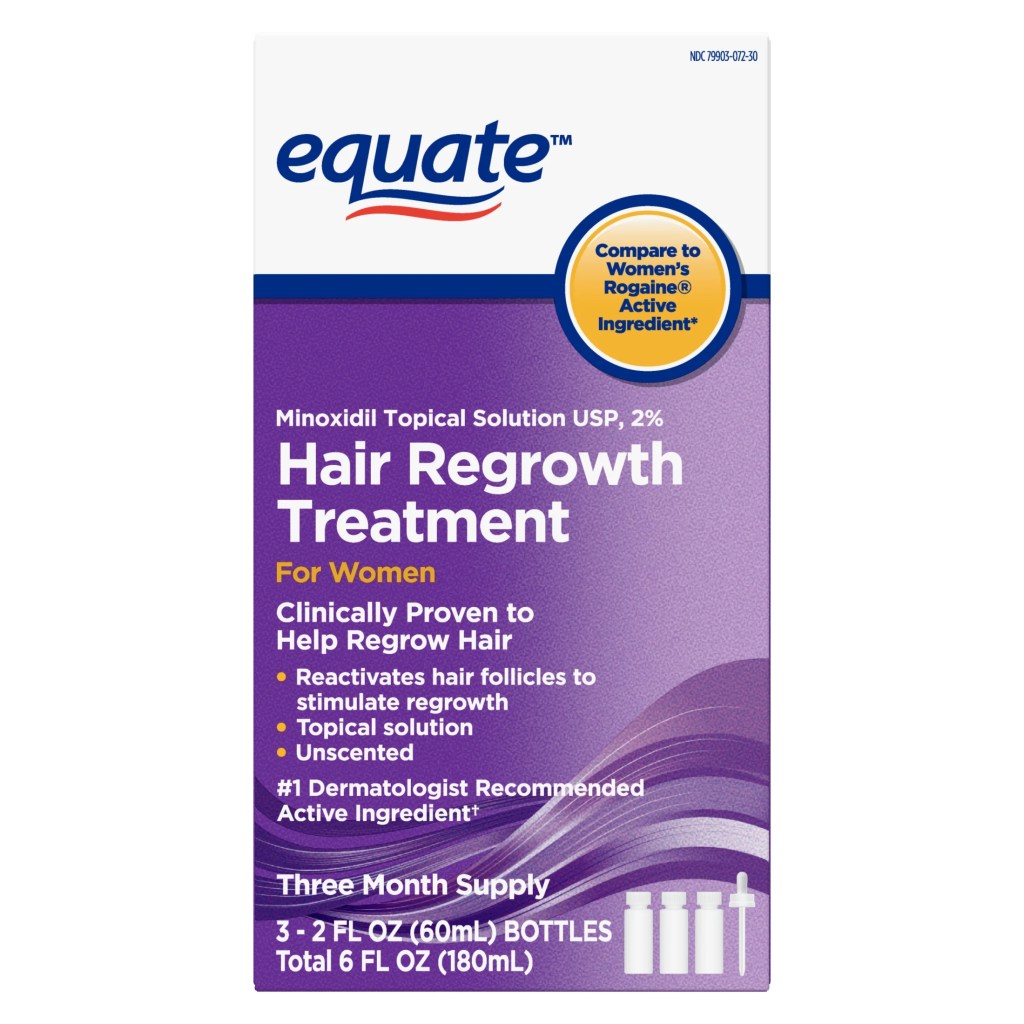
Before diving into any haircare product, it’s crucial to start with clean hair and an informed approach. Properly washing your hair ensures that your scalp is free of dirt, oils, and buildup that could block the effectiveness of the treatment. Equally important, take the time to read and understand the ingredients of any product before applying it to your scalp. Educating yourself can prevent allergic reactions, irritation, or long-term damage. Now that you’re prepared, let’s talk about the buzz surrounding minoxidil, the product that’s making waves in the world of hair regrowth.
What Is Minoxidil?
Minoxidil is a topical medication originally developed to treat high blood pressure. Interestingly, one of its side effects was unexpected hair growth, which led scientists to explore its potential as a hair regrowth treatment. Today, it’s a go-to solution for individuals experiencing thinning hair or conditions like androgenetic alopecia (commonly known as male or female pattern baldness).
Available in over-the-counter solutions and foams, minoxidil is FDA-approved for promoting hair growth and slowing hair loss. It’s become a cornerstone for many seeking to reclaim their hairlines or restore volume.
How Does Minoxidil Work?
Minoxidil works by stimulating hair follicles and increasing blood flow to the scalp. By dilating the blood vessels, it helps deliver oxygen and nutrients directly to the hair follicles, promoting a healthier growth cycle. With consistent use, many users notice thicker, fuller hair in as little as three to six months. However, results vary depending on the individual, and patience is key.
The Popularity of Minoxidil
Minoxidil has gained immense popularity because it’s one of the few proven treatments for hair loss that’s readily accessible. Social media is flooded with testimonials, before-and-after photos, and glowing reviews from users who have achieved visible results. Whether it’s branded as Rogaine or sold under a generic label, minoxidil has become a staple in many hair regrowth routines.
Side Effects: What to Watch Out For
While minoxidil has helped many people regrow their hair, it’s not without its drawbacks. Common side effects include:
1. Scalp Irritation: Redness, itching, or dryness on the scalp can occur, particularly for those with sensitive skin.
2. Unwanted Hair Growth: Hair may grow in unintended areas, such as the face or hands, if the product comes into contact with these regions.
3. Initial Shedding: Paradoxically, some users experience increased hair loss when first starting minoxidil as the old hairs make way for new growth.
4. Dizziness or Heart Palpitations: Though rare, these systemic effects can occur if minoxidil is absorbed into the bloodstream in significant amounts.
5. Dependency: Hair regrowth achieved with minoxidil often requires ongoing use to maintain results. Discontinuing treatment can lead to the loss of any progress made.
Is Minoxidil Right for You?
Minoxidil can be a game-changer for those struggling with hair loss, but it’s not a one-size-fits-all solution. Before starting, consult with a dermatologist or healthcare professional to ensure it’s appropriate for your hair type and specific condition. They can also guide you on proper application techniques to minimize side effects.
A Gentle Reminder for Healthy Hair
Remember, healthy hair starts with a healthy scalp. Always keep your scalp clean, avoid harsh chemicals, and nourish your hair with products that prioritize natural and safe ingredients. Whether you choose minoxidil or another treatment, informed decisions and consistency are your best allies in the journey to healthier hair.
Let us know if you tried it?
Don’t forget to leave your comments!
 Kinky Hair Kulture 💫