Pssst
 I Can’t Do This Anymore! 

by Candice M

Have you ever stared at yourself in the mirror, running your hands through your curls, coils, or kinks, and thought, “I think I’m done”? The detangling, the dryness, the styling, the endless trial-and-error with products—it all becomes exhausting. Before you know it, you’re reminiscing about the days of smooth, straight strands, maybe even entertaining the idea of returning to that old familiar friend: the creamy crack (aka the relaxer). And let’s not even talk about wash day. You already know—it’s not a quick task. It’s an all-day event. From pre-pooing, shampooing, deep conditioning, detangling, twisting, to styling, it feels never-ending. Hours pass, water drips down your arms, hair is everywhere, your shoulders ache, and by the time you’re halfway through, you’re thinking, “This is it. I can’t do this anymore.” It’s overwhelming. It feels like no matter how much effort you put in, your hair always demands more. Trust me, you’re not alone. Almost everyone on the natural hair journey has reached that point where they wonder if this is really for them—and that’s perfectly okay.

But here’s the thing—no matter what decision you make, whether you stick with your natural curls or decide to relax your hair, the most important factor should always be the health of your hair. Natural hair is powerful, beautiful, and unique, but let’s not pretend it doesn’t require patience and serious care. When everything is working, your twist-outs are on point, your curls are juicy, and your scalp feels great. But when it’s not? It’s easy to feel defeated. Natural hair doesn’t automatically mean healthy hair. Without the right hydration, trimming, protective styling, and products tailored to your hair, it can struggle like any other hair type. Still, after all the hours spent detangling and deep conditioning, seeing your curls spring back and your coils do their thing reminds you why you love them in the first place.

On the flip side, relaxers can seem like the shortcut to sleek, manageable hair. Less detangling, less shrinkage, less daily fuss—it’s tempting. But relaxed hair comes with its own responsibilities: scalp care, proper maintenance, avoiding over-processing. Whether natural or relaxed, healthy hair takes work. It takes love and intention. So no matter what you choose—natural or relaxed—it’s YOUR decision. It’s your hair. It’s your crown. The goal is not to fit into anyone’s standards or trends but to have healthy, thriving hair that makes you feel confident. Forget the pressure, forget the comparison, and choose what works best for you, all while treating your hair with patience and care.

Remember, if you’re feeling down and need support during your hair journey, whether relaxed or natural, please reach out to us. We’re here for you and will connect you with the right people who can help if we can’t.

Don’t forget to leave your comments!
The Hidden Dangers in Braiding Hair: Can We Trust the Beauty Industry?

by Candice M

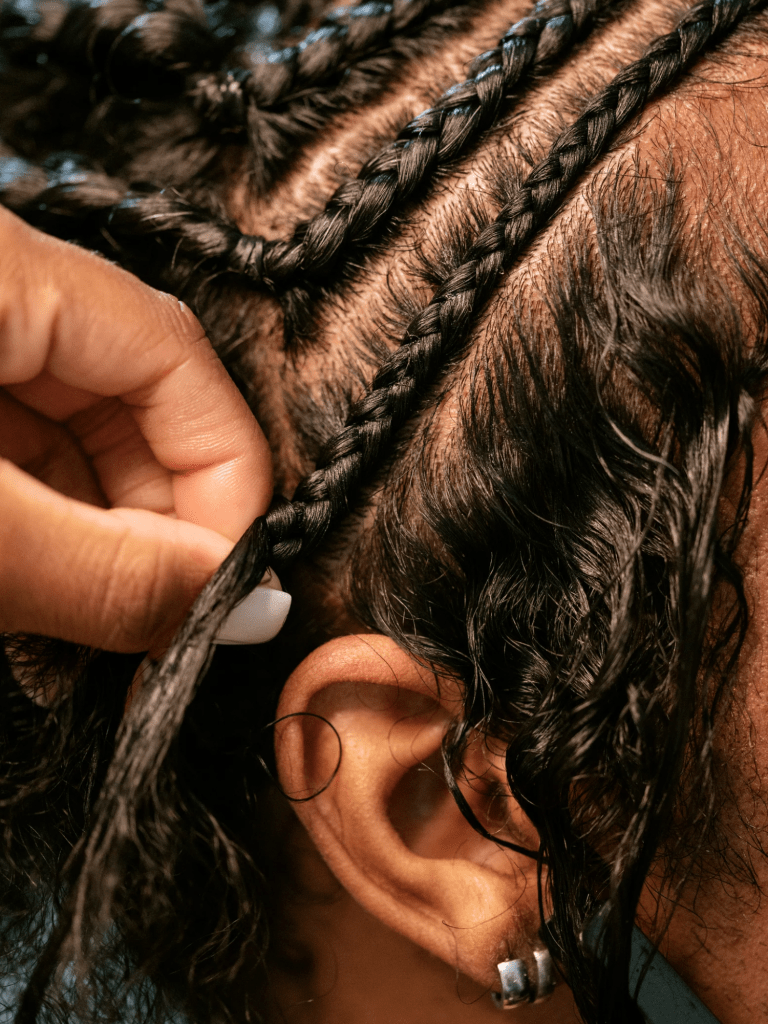
For decades, protective styles like box braids, twists, and cornrows have been a cornerstone of Black and textured hair care. These styles are more than just aesthetic; they help protect natural hair from breakage, promote length retention, and provide a low-maintenance alternative to daily styling. But what happens when the very hair we trust to protect our natural strands is actually harming us?

Recent studies and consumer reports have revealed that some synthetic braiding hair contains harmful chemicals that can lead to scalp irritation, allergic reactions, and even long-term health concerns. Many synthetic hair brands are made from plastic fibers such as kanekalon, toyokalon, or other synthetic polymers that are often coated with alkaline-based chemicals to prevent tangling, increase longevity, and make the hair appear shinier. However, these chemicals can cause scalp burns, itching, and inflammation—commonly referred to as “braid itch” or “braid burn.”

Consumer Report

Some of the harmful substances found in synthetic braiding hair include:

  1. Alkaline Coatings: Used to make synthetic fibers smoother, but they can be too harsh on the scalp.

2. Formaldehyde: A known carcinogen that can cause irritation, allergic reactions, and long-term exposure risks.

3. Toluene and Other VOCs (Volatile Organic Compounds): These are often found in synthetic materials and can be harmful when inhaled over long periods.

Many consumers have reported experiencing severe scalp irritation, breakouts along their hairline, and even hair loss after installing braiding hair. Unfortunately, this issue is rarely discussed in mainstream beauty conversations.

Why Is This Happening?

The beauty industry, like many other consumer-driven markets, often prioritizes profit over safety. Many major hair brands are owned by companies that are not focused on Black hair health—they are focused on mass production and sales. Because of this, synthetic hair products are not always tested for scalp safety or long-term health effects.

Additionally, there is a lack of transparency in ingredient labeling. Unlike skin and hair care products, synthetic hair does not always come with a full list of the chemicals used in its production. This means consumers often have no way of knowing what they’re putting on their scalps.

Are We Living in a World We Can’t Trust?

It’s frustrating and disheartening to realize that something as simple as braiding hair—something deeply tied to culture, identity, and self-expression—could be harming us. It begs the question: is the world so cruel that we can’t even trust the products meant to enhance and protect our beauty?

The truth is, capitalism and corporate greed have made it difficult to trust industries that do not prioritize the health of Black and textured hair communities. But that doesn’t mean we are powerless.

How to Protect Yourself

If you love protective styles but want to avoid harmful chemicals, there are ways to minimize your risk:

1. Soak Your Braiding Hair: Before installing synthetic hair, soak it in a mixture of apple cider vinegar and water (1 part vinegar to 3 parts water) for 15-30 minutes. This helps remove some of the alkaline coating and reduces scalp irritation.

2. Use Human Hair Alternatives: While more expensive, human hair is less likely to be coated in harmful chemicals and can be a safer alternative for those with sensitive scalps.

3. Support Safer Brands: Look for brands that specifically advertise chemical-free or scalp-safe braiding hair. Some emerging brands are creating synthetic hair with safer materials.

4. Listen to Your Scalp: If you experience itching, burning, or extreme irritation, remove the braiding hair immediately. No protective style is worth damaging your scalp.

5. Advocate for Transparency: As consumers, we have power. By demanding that brands disclose their ingredients and prioritize safer materials, we can push for change in the industry.

The reality is that we live in a world where we must be our own advocates when it comes to health and beauty. While it’s frustrating to constantly question the safety of the products we use, knowledge is power. By staying informed and making conscious choices, we can protect our hair, our health, and our future.

Braiding hair should be about more than just a style—it should be about care, confidence, and cultural pride. We deserve safe, high-quality options that don’t put our health at risk. Until the industry steps up, it’s up to us to do the research, spread awareness, and hold brands accountable.

The world may not always have our best interests at heart, but that doesn’t mean we stop fighting for what we deserve.

Let us know what you think? Leave your comments below! Don’t forget to subscribe and share!

Minoxidil Uncovered: The Buzz Around Hair Growth and What You Need to Know

by Candice M

Before diving into any haircare product, it’s crucial to start with clean hair and an informed approach. Properly washing your hair ensures that your scalp is free of dirt, oils, and buildup that could block the effectiveness of the treatment. Equally important, take the time to read and understand the ingredients of any product before applying it to your scalp. Educating yourself can prevent allergic reactions, irritation, or long-term damage. Now that you’re prepared, let’s talk about the buzz surrounding minoxidil, the product that’s making waves in the world of hair regrowth.

What Is Minoxidil?

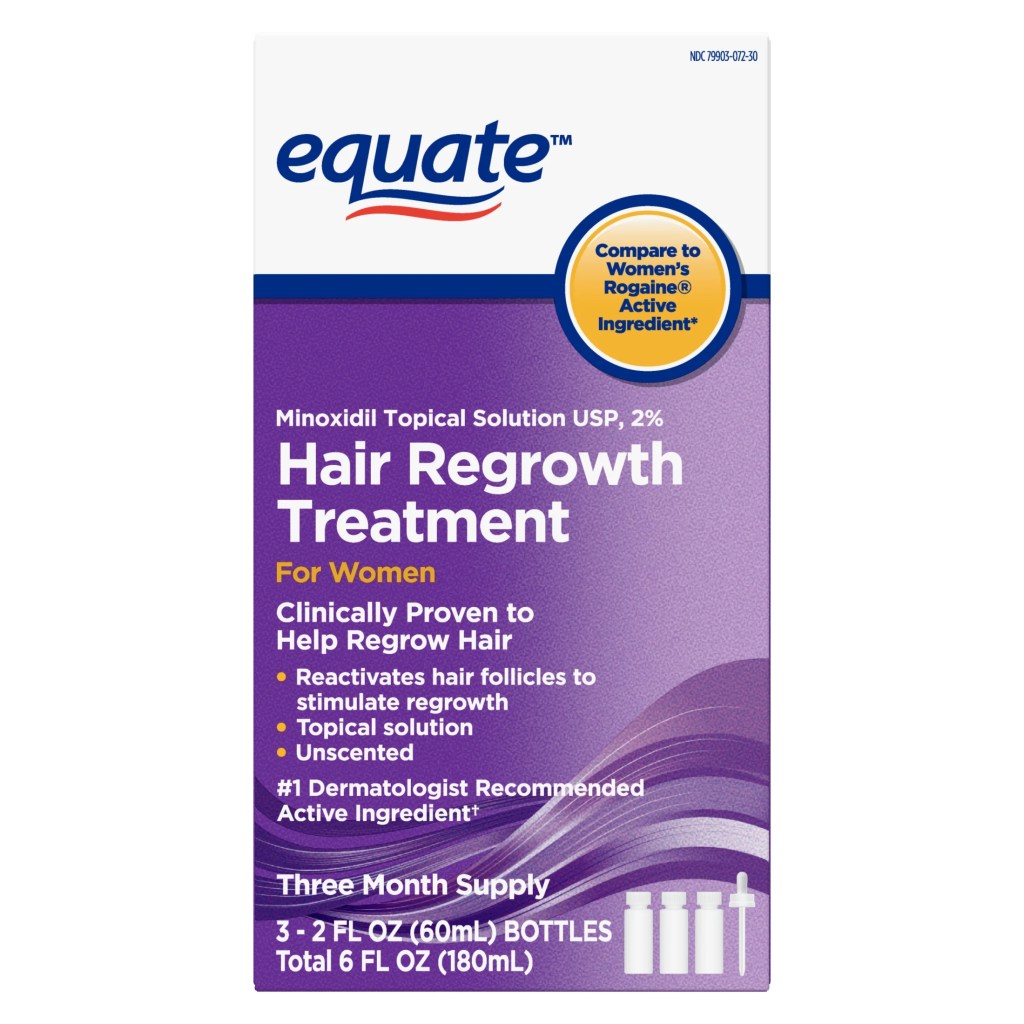
Minoxidil is a topical medication originally developed to treat high blood pressure. Interestingly, one of its side effects was unexpected hair growth, which led scientists to explore its potential as a hair regrowth treatment. Today, it’s a go-to solution for individuals experiencing thinning hair or conditions like androgenetic alopecia (commonly known as male or female pattern baldness).

Available in over-the-counter solutions and foams, minoxidil is FDA-approved for promoting hair growth and slowing hair loss. It’s become a cornerstone for many seeking to reclaim their hairlines or restore volume.

How Does Minoxidil Work?

Minoxidil works by stimulating hair follicles and increasing blood flow to the scalp. By dilating the blood vessels, it helps deliver oxygen and nutrients directly to the hair follicles, promoting a healthier growth cycle. With consistent use, many users notice thicker, fuller hair in as little as three to six months. However, results vary depending on the individual, and patience is key.

The Popularity of Minoxidil

Minoxidil has gained immense popularity because it’s one of the few proven treatments for hair loss that’s readily accessible. Social media is flooded with testimonials, before-and-after photos, and glowing reviews from users who have achieved visible results. Whether it’s branded as Rogaine or sold under a generic label, minoxidil has become a staple in many hair regrowth routines.

video from IG

Side Effects: What to Watch Out For

While minoxidil has helped many people regrow their hair, it’s not without its drawbacks. Common side effects include:

1. Scalp Irritation: Redness, itching, or dryness on the scalp can occur, particularly for those with sensitive skin.

2. Unwanted Hair Growth: Hair may grow in unintended areas, such as the face or hands, if the product comes into contact with these regions.

3. Initial Shedding: Paradoxically, some users experience increased hair loss when first starting minoxidil as the old hairs make way for new growth.

4. Dizziness or Heart Palpitations: Though rare, these systemic effects can occur if minoxidil is absorbed into the bloodstream in significant amounts.

5. Dependency: Hair regrowth achieved with minoxidil often requires ongoing use to maintain results. Discontinuing treatment can lead to the loss of any progress made.

video from IG

Is Minoxidil Right for You?

Minoxidil can be a game-changer for those struggling with hair loss, but it’s not a one-size-fits-all solution. Before starting, consult with a dermatologist or healthcare professional to ensure it’s appropriate for your hair type and specific condition. They can also guide you on proper application techniques to minimize side effects.

A Gentle Reminder for Healthy Hair

Remember, healthy hair starts with a healthy scalp. Always keep your scalp clean, avoid harsh chemicals, and nourish your hair with products that prioritize natural and safe ingredients. Whether you choose minoxidil or another treatment, informed decisions and consistency are your best allies in the journey to healthier hair.

Let us know if you tried it?
Don’t forget to leave your comments!
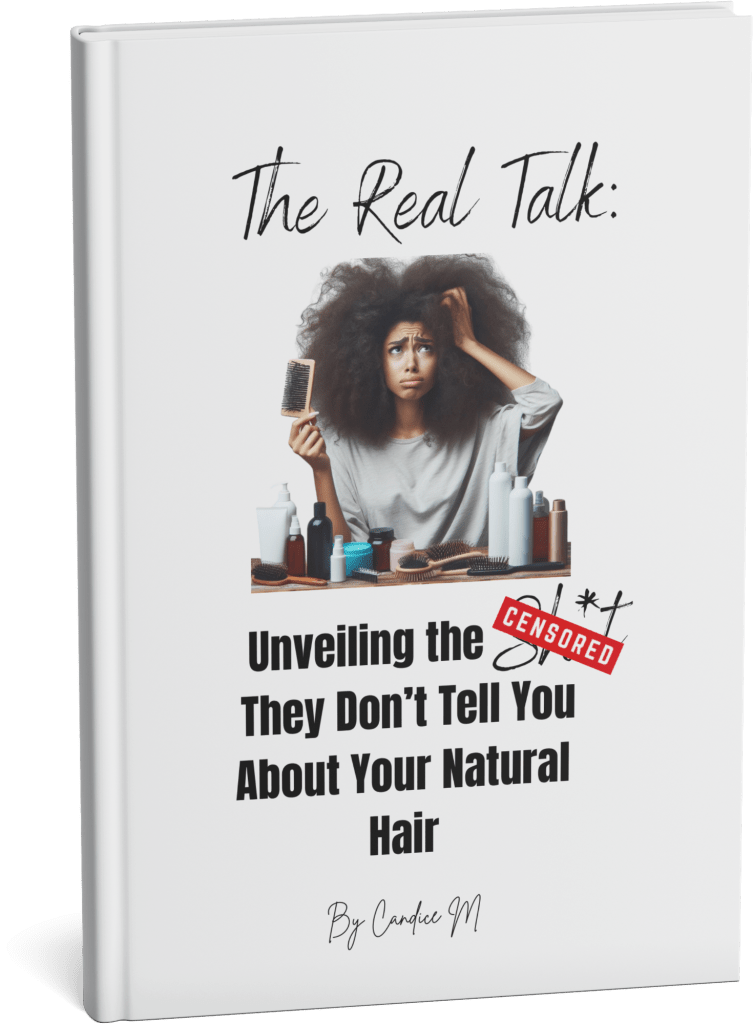
Real Talk: The Shit They Don’t Tell You About Natural Hair – Your Ultimate Guide to Natural Hair Care

by Candice M

Ever been puzzled about why your hair refuses to cooperate despite trying countless products? Bombarded by commercials pushing ‘miracle’ solutions and easy natural hair care tips? Fed up with people questioning why you’re not going natural? Time to spill the truth on the shit they don’t tell you!

If you’ve felt this frustration, you’re not alone. For many, the journey to understanding and caring for natural hair is riddled with misinformation, societal pressure, and trial-and-error experiments. That’s where Real Talk: The Shit They Don’t Tell You About Natural Hair steps in to save the day.

This book goes beyond the glossy Instagram posts and viral TikTok tutorials to get real about what it takes to care for natural hair. Written for anyone navigating the often confusing, sometimes frustrating, but ultimately rewarding path of embracing their natural hair, this guide is packed with the practical knowledge, insights, and recipes you need to succeed.

Why Is Natural Hair Care So Confusing?

The truth is, natural hair care isn’t as simple as slapping on a product labeled “curl-defining” or following a 30-second hack from a commercial. Hair textures vary, and so do individual needs. Most mainstream advice oversimplifies the process, leaving people overwhelmed and under-informed.

The feeling you get when you don’t know what to do

Real Talk addresses this gap by offering a candid look at what really works—and what doesn’t. This isn’t about pushing products or one-size-fits-all solutions; it’s about helping you understand your hair, its unique needs, and how to care for it properly.

What Makes This Book a Game-Changer?

In this book, you’ll find:

‱ Honest Advice: No sugarcoating here. You’ll get the raw truth about natural hair care—the challenges, and the mistakes to avoid along the way.

‱ Detailed Recipes: From DIY hair masks to deep conditioning, Real Talk offers easy-to-follow recipes tailored to different hair types and concerns.

‱ Practical Tips: Struggling with shrinkage? Fighting dryness? Wondering why your hair is webbing? This book answers the questions no one else seems to address.

‱ Empowerment: Beyond the practicalities, this book is a reminder that your hair journey is yours alone—whether you choose to go natural or not.

Who Is This Book For?

This book is for anyone who’s tired of the myths and ready for the facts. Whether you’re transitioning, fully natural, or just curious about what it takes, Real Talk will guide you through the process with humor, relatability, and expertise.

A Must-Read for Every Natural Hair Enthusiast

With its no-nonsense approach and focus on real solutions, Real Talk: The Shit They Don’t Tell You About Natural Hair is the resource you didn’t know you needed. It’s time to ditch the frustration, embrace the process, and learn to love your hair on your terms.

So, if you’ve ever found yourself staring at your reflection, wondering why your hair seems to have a mind of its own, this book is your answer. Let Real Talk empower you to understand and care for your hair like never before. The truth is out there—it’s time to uncover it.

click the link to get your copy today- The Real Talk

Don’t forget to leave your thoughts and share your hair journey with us! Remember this book is all about experience and information to help you with understanding your hair.

Controversy Surrounds Mielle Hair Products: Allegations, Defenses, and Customer Concerns

by Candice M

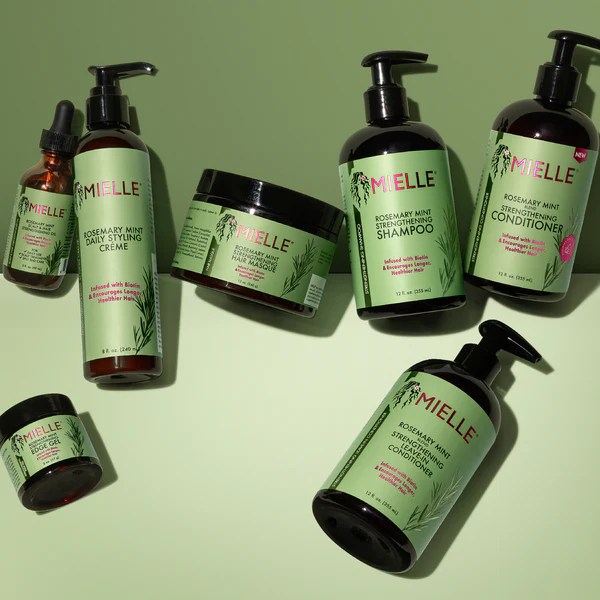
Mielle Organics, a beloved haircare brand known for its focus on textured hair, has found itself at the center of a heated controversy. Many customers are taking to social media to claim that the brand’s popular Rosemary Mint Oil, once hailed as a hair growth miracle, has allegedly caused hair loss. These accusations have sparked widespread discussions and even talk of lawsuits, leaving consumers questioning what might have gone wrong.

Video credits- Mielle’s TikTok page

Allegations Against Mielle and Formula Changes

At the heart of the controversy is the claim that Mielle’s formula has changed since the company’s acquisition by Procter & Gamble (P&G). Some critics argue that the brand, which was once independent and highly regarded within the natural hair community, may have compromised its product quality under the new ownership. Influencers and everyday users alike have shared stories and photos alleging significant hair loss, sparking a wave of distrust.

However, Mielle’s CEO, Monique Rodriguez, has adamantly defended her brand. In a recent video, she stated that the Rosemary Mint Oil formula has not changed and remains the same as before the P&G acquisition. Rodriguez went further to allege that misinformation is being deliberately spread. According to her, an influencer was paid to post a damaging video about Mielle, and that video has since been removed from the platform.

Video credits-Mielle’s TikTok page

Damage Control or Targeted Attack?

This statement has left many divided. Some believe Rodriguez’s claims, viewing the allegations as an orchestrated attack on a successful Black-owned business. Others, however, remain skeptical, suggesting her response is more about damage control than addressing genuine customer concerns.

The Bigger Picture

Regardless of which side you believe, this controversy highlights the need for transparency and consumer caution. Haircare products, particularly those targeting sensitive scalps and textured hair, often have varying effects from person to person. One person’s holy grail product could be another’s hair disaster.

Advice for Haircare Users

If you’re trying out new haircare products, especially ones marketed as growth aids or treatments, consider these precautions:

1. Perform a Patch Test: Before using a product widely, test it on a small area of your scalp or skin to check for any adverse reactions.

2. Research Ingredients: Familiarize yourself with the ingredients in the product and how they might interact with your hair or scalp.

3. Monitor for Changes: If you notice unexpected shedding or irritation, discontinue use immediately and consult a dermatologist if needed.

What’s Next for Mielle?

The backlash against Mielle Organics serves as a stark reminder of how quickly trust can erode in the beauty industry. While Rodriguez continues to stand firm, the brand may need to increase transparency and communication with its customers to rebuild confidence. Only time will tell if this controversy is the result of misinformation or genuine product issues.

What do you think about the situation? Is this a case of a smear campaign, or are customers right to question the product? Share your thoughts below!

Rihanna’s New Hair Care Line: Breaking Boundaries and Setting New Trends

by Candice M

photo credit- @badgalriri

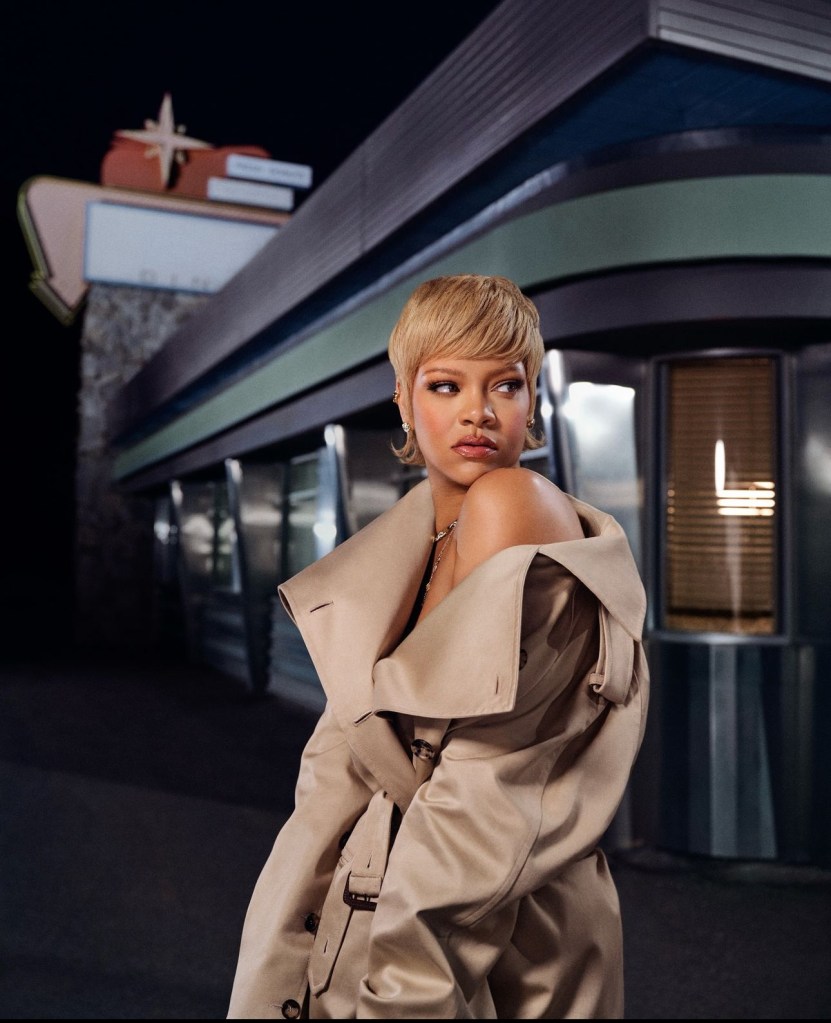
Rihanna, a global icon in music, fashion, and beauty, is now expanding her empire into the hair care industry. Following the success of her Fenty Beauty and Savage X Fenty lines, she is launching a hair care line Fenty Hair that promises to be as innovative and inclusive as her previous ventures. The new line features a range of products designed to nourish, protect, and style hair of all types, with a particular focus on the needs of Black hair.

Instagram @badgalrii

“In the video, different hair textures are shown, highlighting the importance of protective styles. These styles are essential for maintaining healthy hair and promoting growth.”

Instagram @badgalriri

“Every single product is designed to strengthen and repair all types of hair, which is what we truly need!” she added. “It’s time to play and get stronger by the style.”Instagram- @badgalriri

However, the launch of Rihanna’s hair care line raises questions that have surfaced before with other Black celebrities, such as BeyoncĂ©. Critics often question why celebrities who endorse hair products do not always wear their natural hair. BeyoncĂ© faced similar scrutiny and even had to show her real hair to prove its authenticity. This reflects a broader issue where Black women, in particular, feel the pressure to prove their authenticity and worth in various industries.

Does It Really Matter if They Show Their Hair All the Time?

The obsession with whether Black women are wearing their natural hair or not is deeply rooted in societal standards that unfairly scrutinize their choices. Hair, for many Black women, is not just about aesthetics; it is about identity, culture, and self-expression. Protective styles, such as braids, twists, and wigs, play a crucial role in maintaining the health of Black hair. These styles protect the hair from damage and allow it to grow without the stress of daily styling.

Protective styles are not only functional but also an integral part of Black culture. They allow for versatility and creativity, giving women the freedom to experiment with different looks while preserving the integrity of their natural hair. The need to constantly prove the authenticity of their hair choices can be exhausting and perpetuates a cycle of unnecessary validation.

When Will It Stop?

The constant need for Black people to prove themselves in order to gain acceptance and approval is a pervasive issue. This scrutiny often overshadows their achievements and contributions. It is time for society to move past these biases and recognize the value and creativity that Black individuals bring to the table without requiring them to validate their authenticity continuously.

What’s Next for Rihanna?

As Rihanna continues to dominate various industries, many are wondering what she will conquer next. While fans are eagerly awaiting a new album, her continuous expansion into new markets shows that her influence extends far beyond music. Her ventures are not just business moves; they are statements of inclusivity, diversity, and empowerment.

Rihanna’s new hair care line is more than just another product launch; it is a celebration of Black beauty and resilience. It serves as a reminder that the hair care industry is vast, with room for innovative ideas that cater to all hair types. As we look forward to Rihanna’s continued success, let us also hope for a future where Black people are appreciated for their talents and contributions without the burden of constant validation. And yes, while we enjoy her groundbreaking affordable products, we can’t help but hope for new music from this beautiful multi-talented star.

Will you try Fenty Hair?

Leave your comments below and don’t forget to share!

https://www.instagram.com/badgalriri?igsh=MTNwN2N5OTBqaGxz

“Natural Hair Movement Drives Decline in Relaxer Sales: A Shift in Beauty Trends”

by Candice M

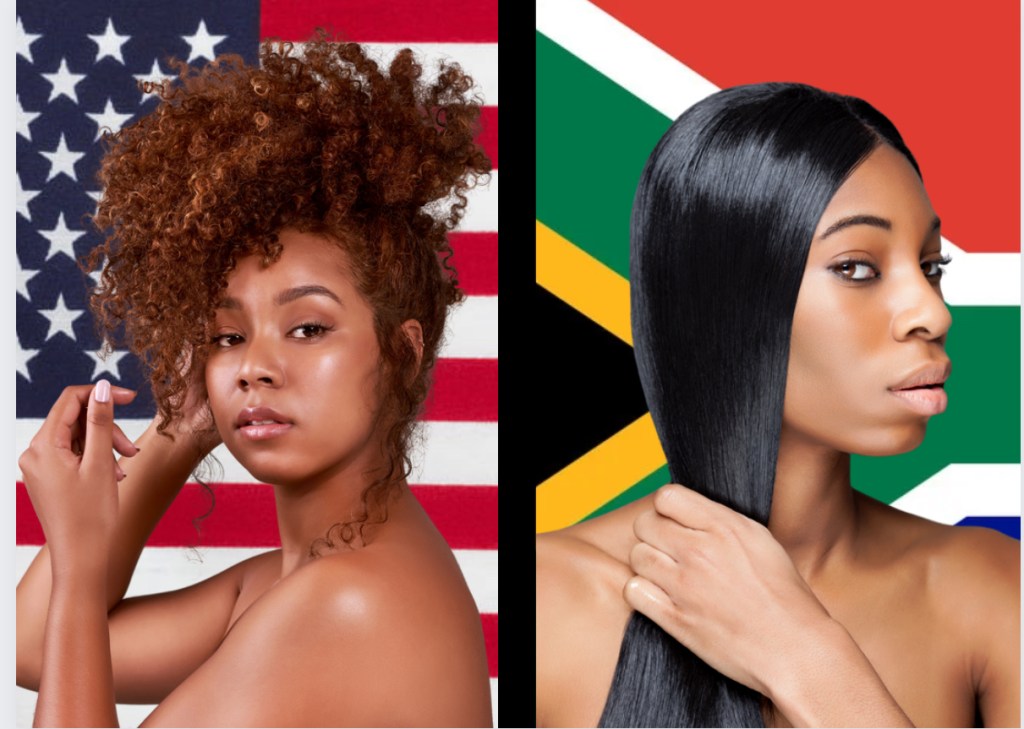
In recent years, the beauty landscape has witnessed a seismic shift in attitudes towards hair care, particularly among black women. The natural hair movement, which advocates for embracing one’s natural hair texture without chemical alterations, has gained significant momentum in the United States. As a result, sales of relaxers, once a staple in the hair care aisle, have been on the decline. However, a contrasting trend has emerged in Africa, where relaxer sales are booming. This begs the question: will the popularity of natural hair fade, and will relaxers make a comeback?

In addition to the cultural and societal factors driving the decline of relaxer sales in the United States, it’s crucial to acknowledge the role of health concerns associated with these chemical treatments. Relaxers contain harsh chemicals such as sodium hydroxide or calcium hydroxide, which chemically alter the structure of the hair to achieve straightening. However, these chemicals can cause significant damage to the hair and scalp over time.

Repeated use of relaxers can lead to hair breakage, dryness, and scalp irritation. Many black women have experienced firsthand the negative effects of relaxers on their hair health, leading them to seek alternatives that promote natural hair growth and overall well-being. The growing awareness of the potential dangers posed by relaxers has undoubtedly influenced consumer preferences and contributed to the decline in sales.

Furthermore, the natural hair movement has sparked conversations about embracing authenticity and rejecting harmful beauty standards. Black women are increasingly prioritizing the health and integrity of their hair over achieving a specific aesthetic dictated by societal norms. As a result, they are turning to natural hair care products and techniques that nurture and enhance their natural curls and coils without compromising their well-being.

While relaxers may still have a place in the beauty market, particularly in regions where cultural norms and preferences differ, their decline in the United States reflects a broader shift towards holistic hair care practices that prioritize health, self-expression, and self-love. As the natural hair movement continues to gain momentum and reshape beauty standards, it is unlikely that relaxers will make a significant comeback in the foreseeable future.

In contrast, in many African countries, relaxers remain popular due to a variety of factors, including cultural influences, limited access to alternative hair care options, and the perception of straight hair as a symbol of beauty and sophistication. However, as awareness grows about the potential health risks associated with relaxers and the benefits of embracing natural hair, there may be gradual shifts in consumer preferences even in these regions.

Furthermore, the decline of relaxer sales in the United States amidst the natural hair movement reflects a broader cultural shift towards embracing authenticity, self-acceptance, and holistic well-being. While relaxers may still have a presence in certain markets, the momentum behind the natural hair movement signals a fundamental change in attitudes towards beauty and hair care that is likely to endure for years to come.

Leave your comments and don’t forget to subscribe!

The Ongoing Struggle for Black Women to Prove Hair Growth: A Deep Dive into BeyoncĂ©’s Impact and the Innovation in Hair Care

by Candice M

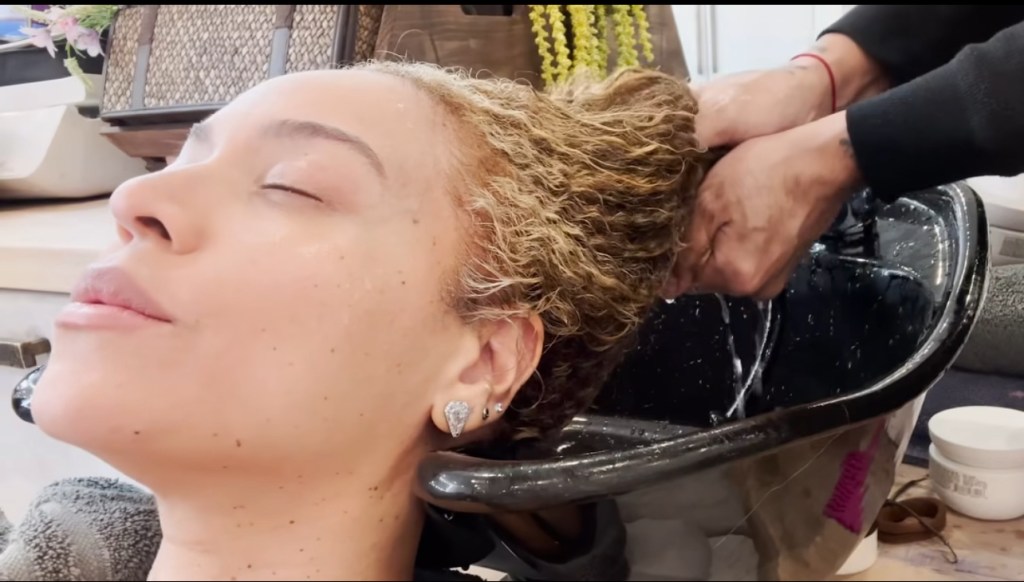
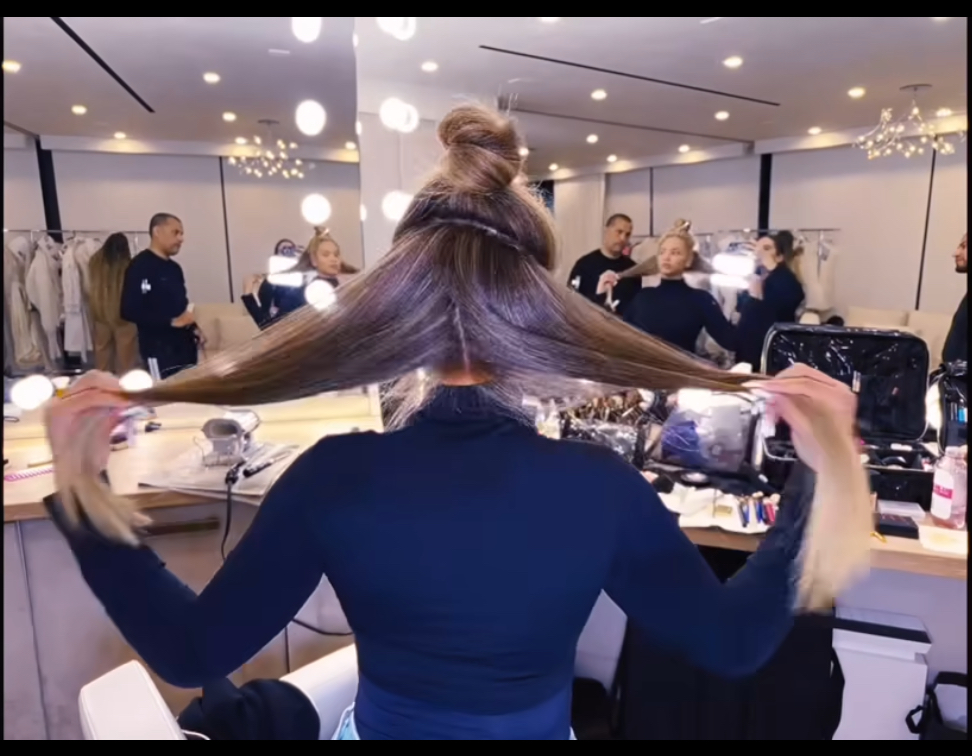
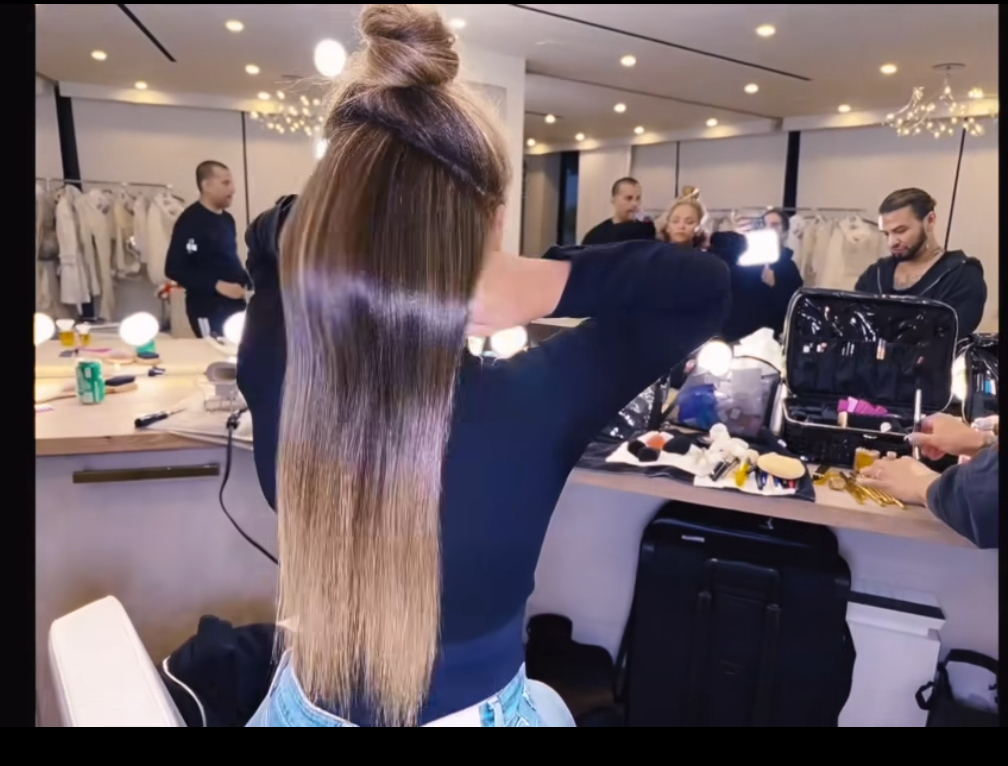
Photo Source – BeyoncĂ© instagram

In a world where beauty standards often dictate what is considered acceptable, black women have long faced the arduous task of proving that their natural hair can indeed grow to impressive lengths. Despite the inherent diversity and beauty of black hair textures, societal norms have perpetuated the myth that only certain hair types are capable of achieving significant length and volume.

Photo Source- Beyoncé Instagram

BeyoncĂ©, an iconic figure in both music and fashion, has been at the forefront of challenging these stereotypes. With her ever-evolving hairstyles and penchant for showcasing her natural hair, BeyoncĂ© has become a symbol of empowerment for black women seeking validation and recognition for their own hair journeys. From her early days in Destiny’s Child to her solo career, BeyoncĂ© has consistently demonstrated that black hair is versatile, resilient, and worthy of celebration.

One notable example of BeyoncĂ©’s commitment to promoting natural hair growth is her groundbreaking visual album, “Lemonade.” In the accompanying film, BeyoncĂ© takes viewers on a journey of self-discovery and empowerment, all while proudly flaunting her long, flowing locks. By showcasing her own hair growth journey, BeyoncĂ© sends a powerful message to black women everywhere: our hair is beautiful, and we should embrace it with pride.

Despite the strides made by trailblazers like Beyoncé, black women continue to face challenges when it comes to hair care. Limited access to affordable and effective products tailored to their specific needs often forces black women to get creative with their hair care routines. From homemade concoctions to DIY styling techniques, black women have developed innovative strategies to nurture and maintain their natural hair.

The texture of black hair, ranging from tightly coiled to loosely curled, presents its own set of challenges and opportunities. While some may view coily hair as difficult to manage, others see it as a canvas for creativity and self-expression. Throughout history, black inventors and entrepreneurs have played a crucial role in developing products that cater to the unique needs of black hair. From Madame C.J. Walker, who revolutionized the hair care industry with her line of beauty products, to modern-day innovators like Lisa Price of Carol’s Daughter, black entrepreneurs have been at the forefront of shaping the beauty landscape.

Furthermore, the struggle for black women to prove the growth potential of their natural hair is an ongoing journey fraught with challenges and triumphs. Through the tireless efforts of individuals like Beyoncé and the ingenuity of black hair care pioneers, black women continue to defy stereotypes and embrace the beauty of their natural hair. As we celebrate the diversity of black hair textures and the resilience of black women, let us also recognize the importance of representation and inclusion in the beauty industry. Only by amplifying diverse voices and experiences can we truly celebrate the beauty of black hair in all its forms.

Photo Source- Beyoncé instagram

Leave your comments and let us know what you think? Don’t forget to subscribe and share!

Unveiling the Gimmicks of Natural Hair Products: How to Navigate the Hype

by Candice M

In recent years, there has been a surge in the popularity of natural hair products, with many claiming to offer miraculous results for every hair type and texture. However, amidst the sea of promises and promotions, it’s crucial for consumers to be discerning and understand their own hair needs to avoid falling victim to gimmicks. Let’s delve into the world of natural hair products, unraveling the truth behind the marketing hype, and empowering you to make informed choices.

First and foremost, it’s essential to recognize that not all products are created equal, and what works wonders for one person’s hair may not necessarily yield the same results for another. Hair is incredibly diverse, varying in texture, density, porosity, and moisture needs. Therefore, understanding your hair type and its unique characteristics is paramount in selecting the right products.

One common gimmick employed by natural hair product brands is the promise of universal efficacy. Whether it’s a shampoo, conditioner, or styling cream, brands often tout their products as suitable for all hair types. While this may sound appealing, the reality is that no single product can cater to the diverse needs of every individual’s hair. Instead of falling for blanket statements, take the time to assess your hair’s specific requirements and look for products tailored to meet those needs.

Another tactic used by brands is the allure of trendy ingredients or formulations. From exotic oils to rare botanical extracts, natural hair products often boast ingredients that sound impressive but may not necessarily deliver tangible benefits. It’s important to decipher between marketing buzzwords and ingredients that genuinely benefit your hair. Researching the efficacy of key ingredients and understanding how they interact with your hair can help you separate substance from hype.

Furthermore, beware of exaggerated claims and unrealistic promises. While it’s natural to desire healthy, luscious hair, it’s essential to approach product claims with a healthy dose of skepticism. Beware of products that promise instant results or dramatic transformations overnight. Achieving optimal hair health is a journey that requires consistency, patience, and a holistic approach encompassing proper nutrition, hydration, and care.

In the age of online shopping and digital marketing, promo codes and discounts can be enticing, often swaying consumers to make impulsive purchases. While a discount may sweeten the deal, it’s crucial not to let it cloud your judgment. Instead of being swayed solely by promotional offers, focus on the quality and compatibility of the product with your hair. Remember, a promo code is merely the icing on the cake; the true value lies in finding a product that genuinely nourishes and enhances your hair.

Don’t forget to leave your comments below and subscribe to stay updated on our blog.

Beyoncé’s New Hair Care Line: Cecred

by Candice M

Beyonce Knowles photo credit- USA Today

Beyoncé, an iconic figure in the music industry known for her extraordinary talent, has made waves once again by launching her new hair care line, Cecred. The launch of this brand was today February 20, 2024, this brand offers a range of eight different products, including a clarifying shampoo and scalp scrub, a reconstructing treatment mask, a hydrating shampoo, a moisturizing deep conditioner, a moisture-sealing lotion, a nourishing hair oil, and fermented rice and rose ritual treatment.

photo credit- website- http://cecred.com

However, despite the excitement surrounding Beyoncé’s venture into the world of hair care, some individuals have expressed concerns about her lack of visibility when it comes to showcasing her own natural hair. Many have questioned the authenticity of a hair care line endorsed by someone who seemingly does not embrace their natural hair.

credit photo- Beyonce instagram

What people fail to realize is that the rigorous demands of Beyoncé’s career as a performer can take a toll on her hair. The constant styling, heat, and product use can lead to damage and breakage, making it essential for her to have a dedicated team of professionals to care for her hair. Additionally, there is a misconception that celebrities like BeyoncĂ© should be experts in natural hair care. While BeyoncĂ© may not be seen frequently flaunting her natural hair, it’s important to note that she has been photographed with her natural hair, as well as her children’s hair.

As consumers, it’s crucial to understand that every individual’s hair is unique, and what works for one person may not work for another. Therefore, it’s essential to do thorough research, read reviews, and seek demonstrations before purchasing hair care products. This will help prevent the disappointment of buying products that do not meet expectations or bashing a brand unfairly.

Furthermore, it’s vital to prioritize understanding your hair’s needs and investing in products that cater to those needs. Beyoncé’s hair care regimen likely includes a combination of deep conditioning treatments, protective styling, and regular trims to maintain healthy hair. Taking inspiration from her approach to hair care can help guide individuals in their own hair care journey.

Lastly, some individuals have expressed concerns about the price point of Beyoncé’s hair care line. It’s important to remember that quality hair care products often come with a higher price tag, as they are formulated with high-quality ingredients and undergo extensive research and development. Investing in quality products can lead to healthier hair in the long run, making the cost worth it for many individuals.

In conclusion, Beyoncé’s venture into the hair care industry with Cecred is an exciting development for fans and hair enthusiasts alike. By prioritizing understanding your hair’s needs, seeking demonstrations and reviews, and investing in quality products, individuals can achieve healthy and beautiful hair, just like BeyoncĂ©.

Cecred –http://cecred.com

photo credit- cecred website

leave your comments, reviews and let’s talk hair!